Why High-Profile Events Like the White House Correspondents’ Dinner Draw So Much Attention
Events such as the White House Correspondents’ Dinner have become major cultural moments in the United States. Originally designed as a gathering for journalists and political figures, it has grown into a widely watched occasion that blends politics, media, and entertainment.
Each year, the event attracts significant public interest, with arrivals, speeches, and appearances quickly becoming part of online conversation.
How Social Media Amplifies Every Moment
In today’s digital landscape, reactions to major public events unfold in real time. Photos and short clips shared online can spread within minutes, generating instant commentary from audiences around the world.
This rapid sharing means that every detail—whether related to speeches, interactions, or appearance—can quickly become a trending topic. Often, these discussions extend far beyond the original context of the event itself.
The Growing Role of Fashion in Public Appearances
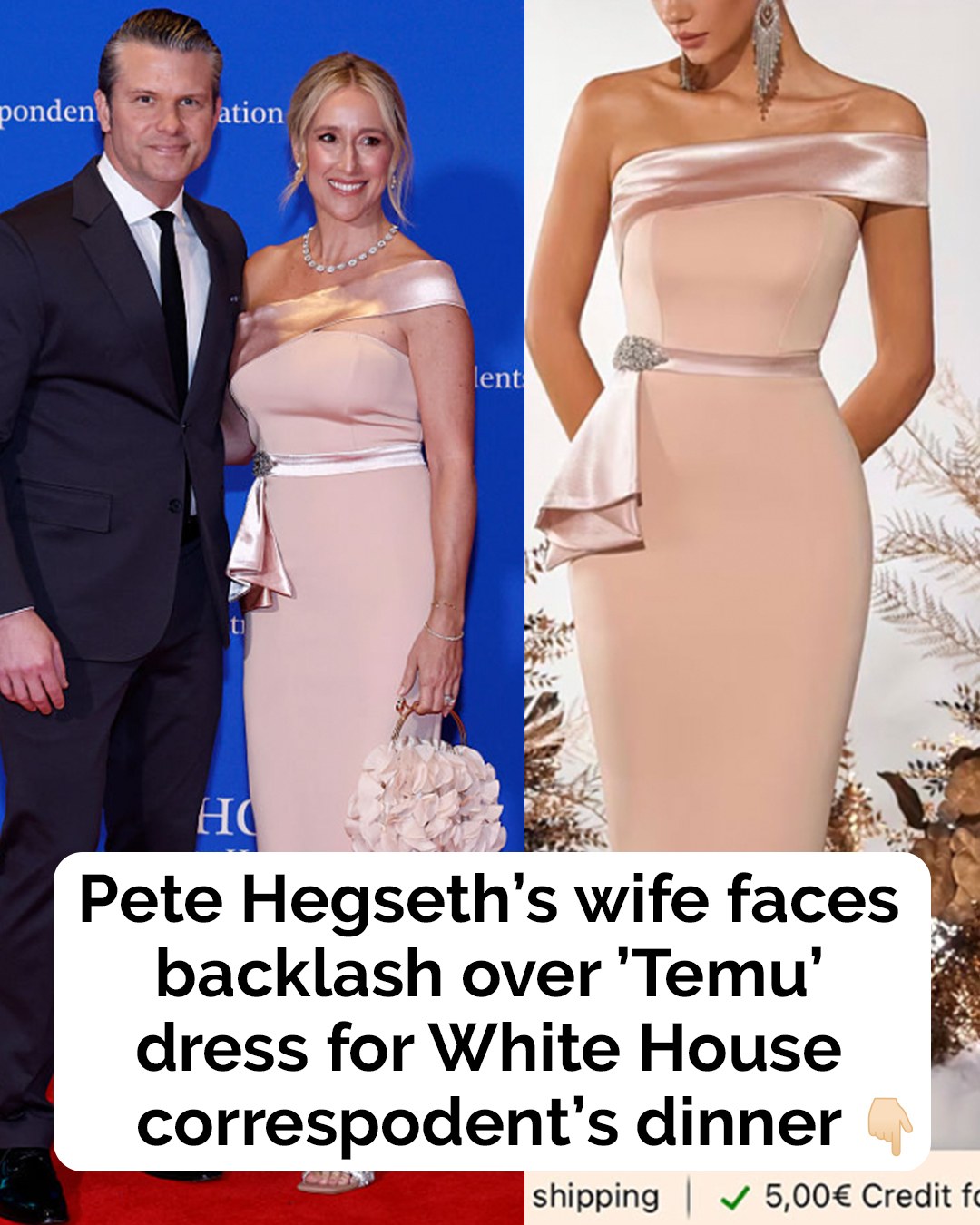
Fashion has always been part of high-profile gatherings, but its role has expanded significantly in the social media era. At events like the White House Correspondents’ Dinner, outfits are often analyzed by journalists, influencers, and online users alike.
These conversations tend to focus on visual impressions, with speculation sometimes replacing verified information. As a result, clothing choices can become widely discussed topics regardless of their actual origin or intention.
Online Reactions and Viral Interpretations
Social media platforms encourage users to share opinions quickly, which often leads to a wide range of interpretations about the same image or moment.
Some reactions focus on entertainment or humor, while others attempt to connect appearances to broader cultural or political themes. However, many of these interpretations are based on assumptions rather than confirmed facts.
The Fast Fashion Debate in Digital Culture
A recurring topic in online fashion discussions is the rise of fast fashion platforms and global online retailers. These brands are often debated in relation to affordability, production practices, and design trends.
Critics raise concerns about sustainability and originality, while supporters highlight accessibility and affordability for consumers.
It is important, however, to separate verified product information from online speculation, as not all claims about clothing sources are confirmed.
How Political Events Influence Public Interpretation
When public figures attend high-profile political gatherings, their appearances are often viewed through both cultural and political perspectives.
In some cases, fashion choices are interpreted as symbolic statements, even when no such intention has been expressed. This can lead to subjective narratives forming around simple visual moments.
As a result, public interpretation is often shaped as much by perception as by fact.
The Rise of Online Commentary Culture
Social media has also created space for digital commentators who focus on analyzing fashion, politics, and public appearances. These voices can significantly influence how audiences interpret major events.
However, the quality and reliability of online commentary vary widely. Some content is analytical and well-researched, while other posts are based on speculation or entertainment-driven narratives.
The Challenge of Misinformation in Viral Discussions
One of the biggest challenges in the digital age is the speed at which information spreads. Viral content often circulates before it can be verified, leading to confusion between opinion, rumor, and fact.
This makes it essential for audiences to rely on credible and verified sources when evaluating claims about public figures or major events.
Understanding the Bigger Picture
Events like the White House Correspondents’ Dinner highlight how politics, media, and culture are increasingly interconnected. What was once a formal gathering now serves as a global moment of public discussion.
Fashion, speeches, and appearances all contribute to a larger narrative shaped by both traditional media and social platforms.
Final Thoughts
In the end, public events today are no longer defined only by what happens on stage or inside the venue. They are shaped equally by how audiences interpret and share them online.
Understanding the difference between verified information and online speculation is key to navigating modern media responsibly.
Join the Conversation
What do you think plays a bigger role in shaping public perception today—traditional media or social media reactions? Share your thoughts below and join the discussion.